Many OEMs begin this process of bringing their PCB assembly back to the US with a similar conversation.
For years, printed circuit board assemblies have been manufactured overseas. Tariffs might have changed the costs, shipping delays may be unpredictable, or quality issues could be taking up more engineering time than expected.
At some point, someone will ask:
“What would it take to build this in the United States?”
But a more important question is:
“How do we transfer production without disrupting our business?”
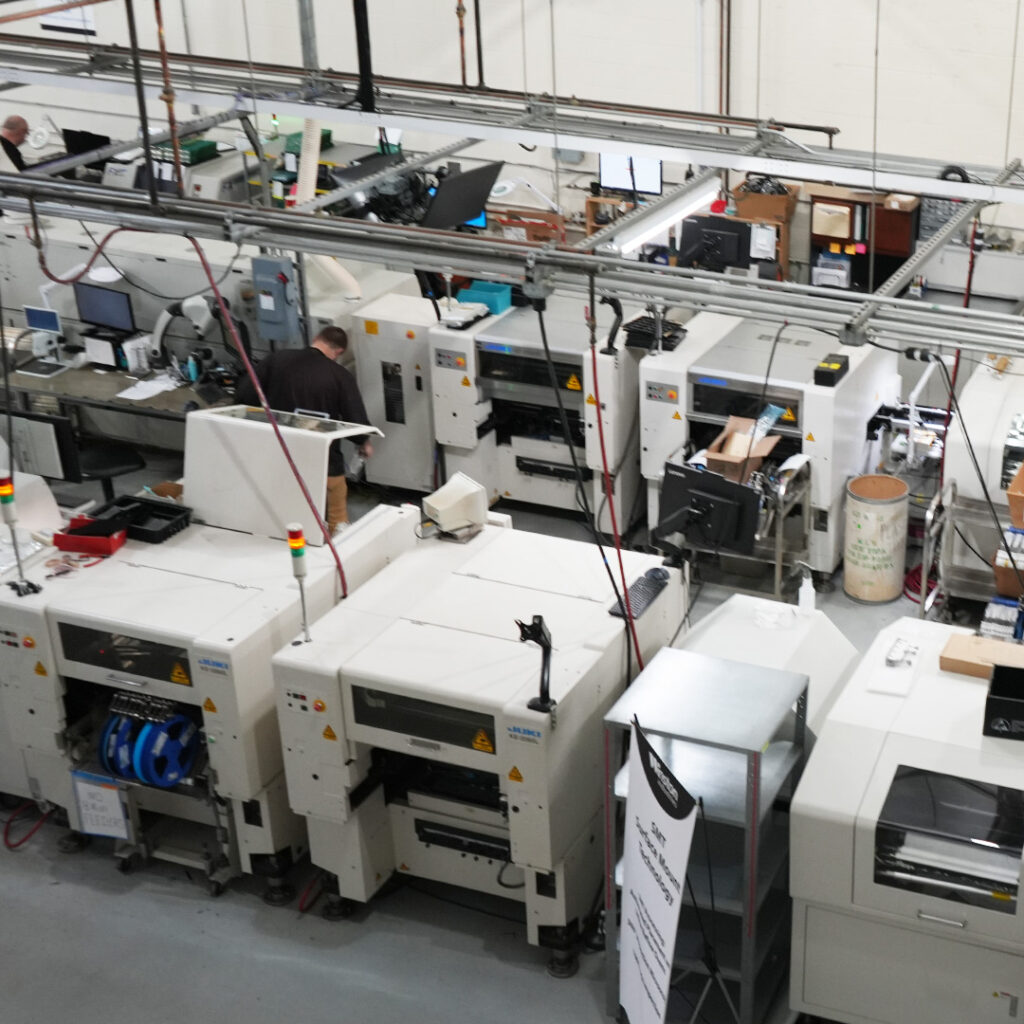
Switching PCB assembly back to the US manufacturers is more than just picking a new vendor. It’s a full manufacturing transfer that needs careful planning, engineering know-how, and teamwork from the start.
At Win2uit Electronics in Louisville, Kentucky, we help customers smoothly move their production, reduce risks, protect product quality, and keep things running.
Why More Manufacturers Are Reshoring Electronics Production
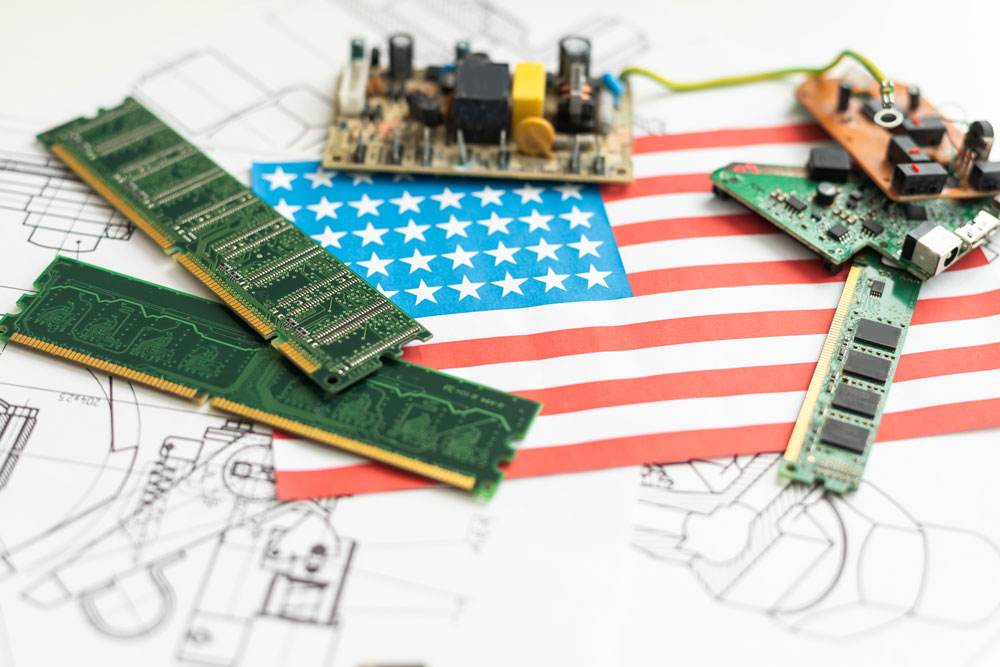
The move to bring electronics manufacturing back to the U.S. continues to grow.
The Reshoring Initiative reports that over 240,000 U.S. manufacturing jobs were announced in 2024, driven by reshoring and foreign investment, with electronics manufacturing growing rapidly. Higher overseas labor costs, tariffs, global uncertainty, shipping expenses, and supply chain issues are making U.S. manufacturing a smarter long-term choice.
Many companies now see that the lowest price per part does not always mean the lowest overall cost.
Unexpected delays, rush shipping, extra inventory, communication problems, and quality issues can often cancel out any savings from overseas production.
Manufacturing closer to your customers gives you better control over schedules, inventory, quality, and engineering support.
A Manufacturing Transfer Is an Engineering Project
A common mistake is thinking that moving PCB assembly back to the US just means sending a purchase order to a new manufacturer.
In fact, every manufacturing transfer must be verified.
- Processes must be recreated.
- Components must be validated.
- Testing must be confirmed.
- Quality standards must be maintained.
If you skip these steps, you add risk and could face much longer production delays than planned.
Step 1: Review the Manufacturing Data Package
Before building any PCB, review all manufacturing documents carefully.
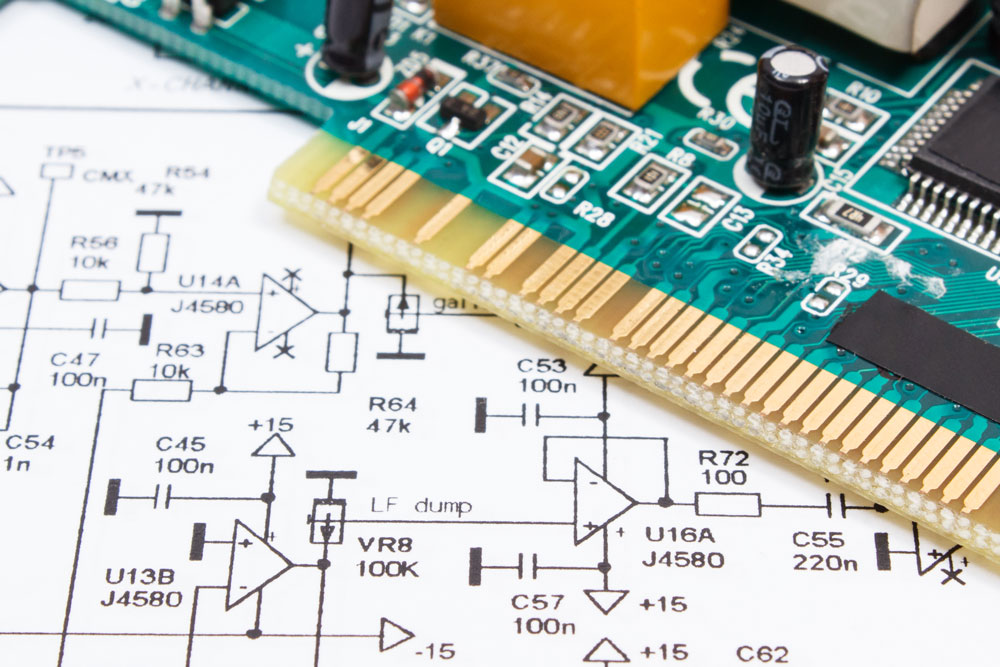
This typically includes:
- Gerber or ODB++ files
- Bill of Materials (BOM)
- Assembly drawings
- Fabrication drawings
- Approved Vendor Lists (AVL)
- Test procedures
- Programming files
- Revision history
A common problem during production transfers is finding that the documents do not match what has actually been built over time.
Sometimes, engineering changes are made without updating the drawings. Components might be swapped without record, and manufacturing notes can change over time.
Catching these differences before production starts saves time and helps avoid expensive problems with the first build.
Step 2: Validate the Bill of Materials
Global supply chains have changed a lot in recent years.
Many overseas BOMs use suppliers that are impractical to source in North America.
A complete BOM review identifies:
- End-of-life components
- Long lead-time parts
- Allocation risks
- Alternate approved components
- Opportunities to improve availability
At Win2uit Electronics, we focus on trusted supply chains to reduce the risk of counterfeit parts and ensure components remain available in the long term.
The goal is not just to find parts. It’s to make sure the right parts are available for future production.
Step 3: Optimize the Manufacturing Process
Each electronics manufacturer uses different equipment, tools, inspection systems, and production methods.
Just copying another manufacturer’s process usually does not give the best results.
Instead, manufacturing engineers evaluate the product for production on their own equipment, including:
- SMT programming
- Stencil design
- Reflow profiles
- Through-hole assembly
- Cable and wire harness integration
- Functional testing
- Box build requirements
This review often finds ways to make manufacturing easier, boost yields, and cut assembly time without changing how the product works.
Step 4: Build and Verify the First Article
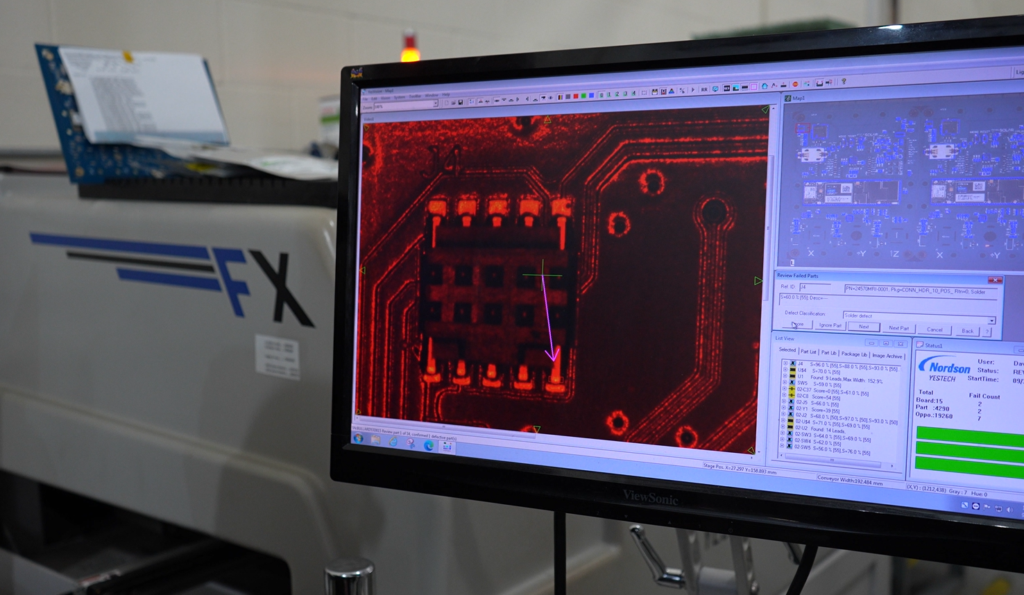
The first production build helps build confidence before starting full-scale manufacturing. A careful first-article process makes sure every part of production meets customer expectations. Inspection may include:
- Automated Optical Inspection (AOI)
- Visual inspection
- Electrical testing
- Functional verification
- Documentation review
It’s much cheaper to find problems during the first build than after hundreds or thousands of units have shipped.
Step 5: Maintain Complete Traceability
Traceability is now more important than ever in almost every industry.
No matter what electronics you make, industrial, commercial, medical, or foodservice. Customers expect full visibility into every production run.
Effective traceability includes:
- Component lot tracking
- Date code documentation
- Production records
- Inspection history
- Process documentation
If a supplier or component issue comes up months later, full traceability lets manufacturers quickly find the affected assemblies instead of checking every shipment by hand.
Common Mistakes During a Production Transfer
Successful manufacturing transfers often avoid a few common problems.
Using Outdated Documentation
If your manufacturing files do not match current production, problems can start before you even assemble the first board.
Focusing Only on Piece Price
The lowest assembly quote rarely shows the true total cost.
Companies should also consider:
- Freight
- Tariffs
- Inventory carrying costs
- Engineering support
- Communication delays
- Quality issues
- Production downtime
Manufacturing in the U.S. often lowers many of these hidden costs.
Skipping Functional Testing
Having a proven sample and a clear test procedure gives confidence that the transferred product works as it should.
Without clear testing, manufacturers have to rely on visual checks instead of confirming that everything works properly.
Not Planning Bridge Inventory
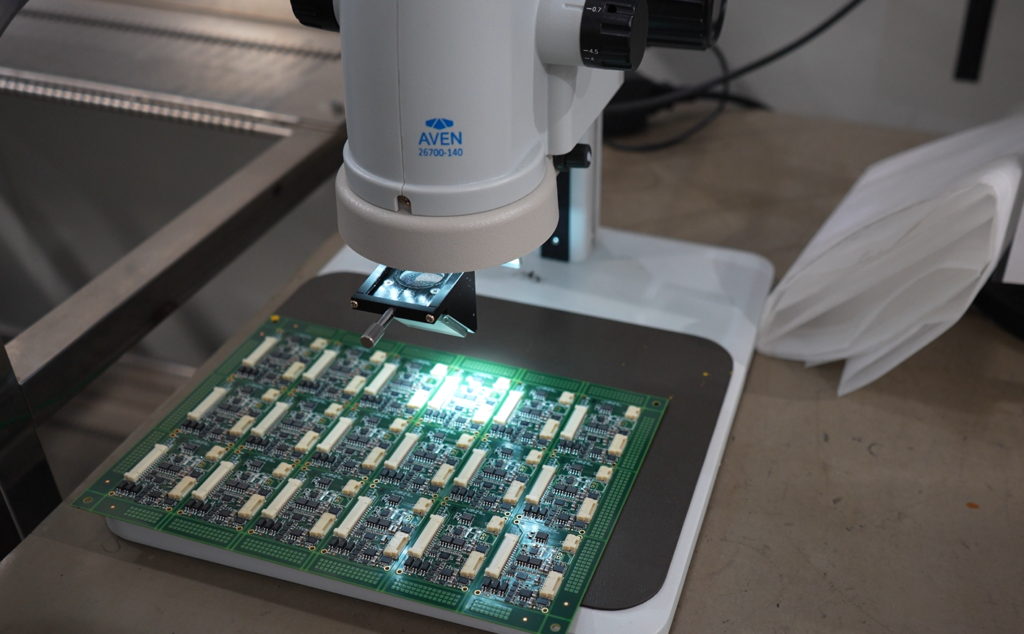
Even the best-managed transfers need time for engineering review, first articles, and production checks.
Keeping a bridge inventory helps prevent shortages for your customers during the transition.
Why Manufacturers Choose Win2uit Electronics
Located in Louisville, Kentucky, Win2uit Electronics provides contract electronics manufacturing services for customers across the United States.
Our capabilities include:
- Surface Mount Technology (SMT) PCB assembly
- Through-hole PCB assembly
- Production PCB assembly
- Custom cable assemblies
- Wire harness manufacturing
- Box build assembly
- Testing and inspection services
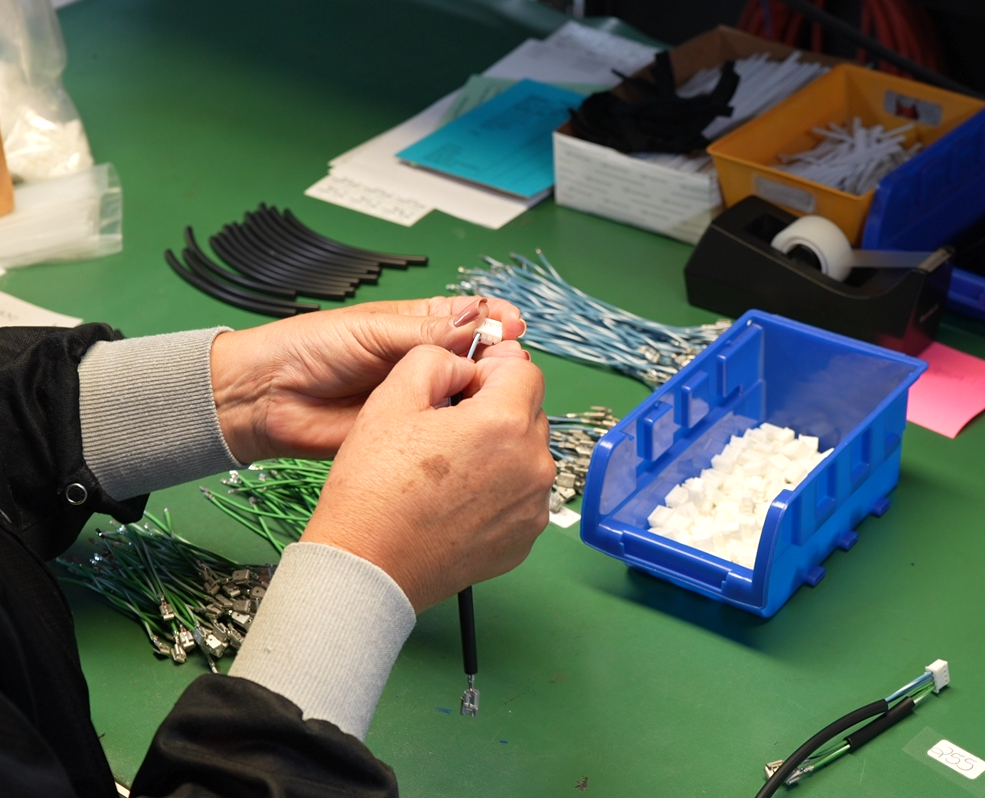
As part of Winston Industries, we have decades of experience making reliable electronics for tough commercial settings. We bring that same focus on quality, precision, and quick response to every customer we serve.
Choosing a U.S. manufacturing partner means easier communication, quicker engineering teamwork, shorter lead times, and the chance to visit our Louisville facility when you need in-person support.
Start Your Manufacturing Transfer with Confidence
Moving PCB assembly back to the U.S. does not have to disrupt your business.
With careful engineering review, up-to-date documentation, good planning, and an experienced partner, production transfers can boost quality, speed up lead times, and make your supply chain stronger.
If you are thinking about bringing your electronics manufacturing back to the U.S., Win2uit Electronics can review your current build and help you find ways to make the transition smooth.
Reach out to Win2uit Electronics in Louisville, Kentucky, to talk about your next PCB assembly project. Send us your BOM, Gerber files, assembly drawings, and manufacturing documents. We will review your project and give you a detailed quote along with a practical plan for transferring production.