Most people think of components, solder paste, pick-and-place machines, or inspection systems when they hear about PCB assembly. Flux in PCB assembly often gets overlooked. But flux is actually one of the most important materials in the process. Even the best equipment can’t make reliable solder joints without it.
At Win2uit Electronics, we believe quality comes from paying attention to the details. Each step in PCB assembly affects the final product, and flux is key to making strong electrical connections, reliable boards, and consistent results.
What Is Flux?
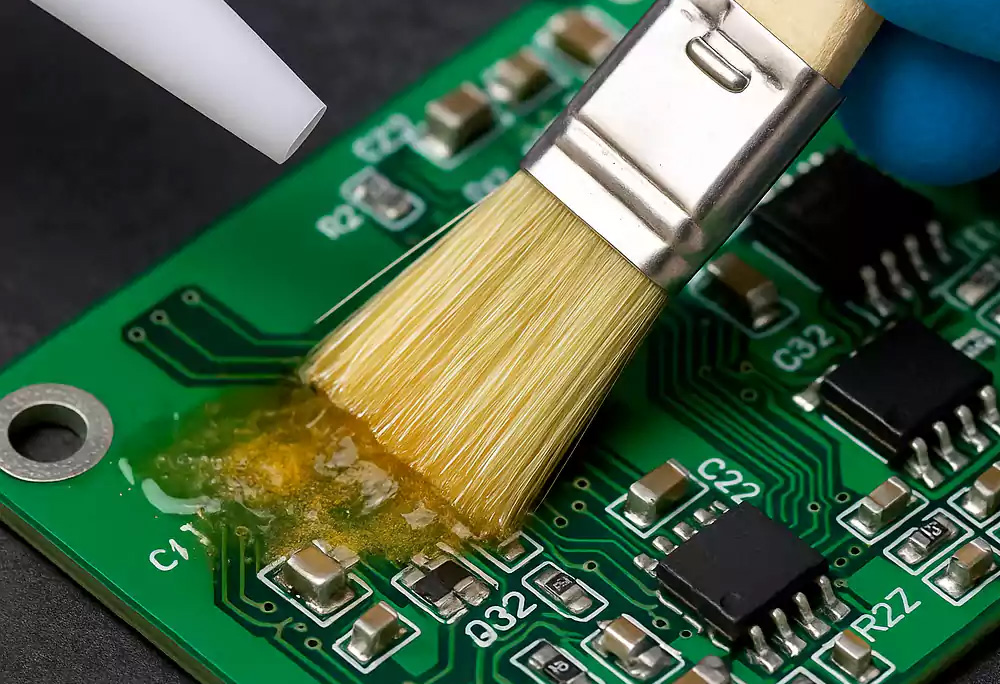
Flux is a chemical used in soldering to get metal surfaces ready for bonding. As soon as copper pads, component leads, and solder touch air, they start to oxidize. These oxide layers stop molten solder from bonding well to the metal.
Flux in PCB assembly removes these oxides during soldering, exposing clean metal. This lets the solder flow properly and form a strong bond.
If the flux doesn’t work well, solder beads up instead of spreading across the pad. This leads to weak joints, poor conductivity, and potential field failures.
Flux Does More Than Clean
Many people think flux only cleans away oxidation. While it does that, it also has other important jobs.
Prevents Re-Oxidation
After cleaning the metal, flux creates a barrier that stops new oxidation while the solder heats up. This is important because the solder needs to touch clean metal until it melts.
If the flux burns off too soon because of the wrong heat settings, oxidation can happen before the solder bonds to the joint.
Improves Solder Flow
Lead-free solder has higher surface tension than old tin-lead solder. Flux helps lower this tension so the solder can spread evenly over pads and leads.
This becomes especially important when assembling:
- Fine-pitch ICs
- BGAs (Ball Grid Arrays)
- QFNs
- High-density PCB layouts
- Miniaturized electronics
When solder flows better, you get fewer defects, stronger joints, and more consistent results.
Choosing the Right Flux Matters
Not all fluxes are the same. Different jobs need different types, depending on the board design, reliability needs, and what happens after assembly.
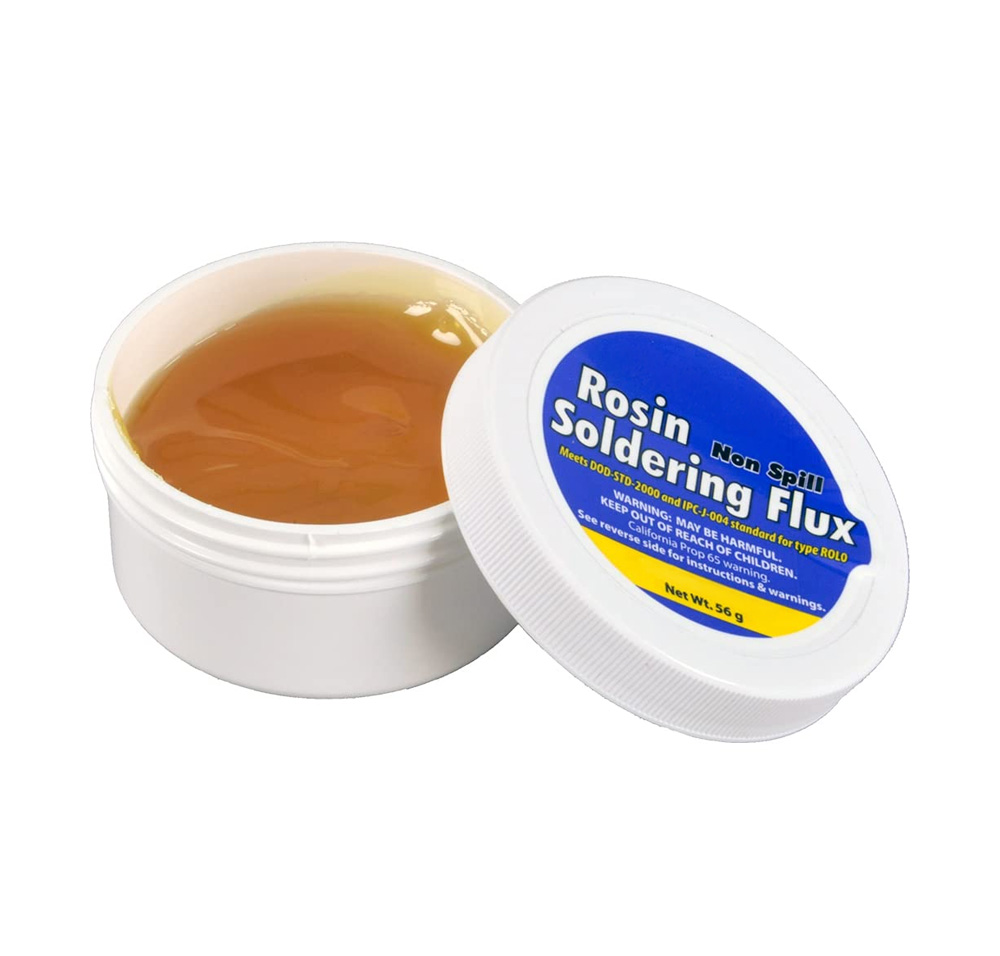
Rosin Flux
Rosin-based flux in PCB assembly has been used in the industry for decades. Made from pine resin, it cleans well and leaves stable, non-conductive residue.
Manufacturers use rosin flux when they need reliable soldering and can either clean the board later or leave the residue.
Water-Soluble Flux
Water-soluble flux has stronger chemicals that remove tough oxidation and help solder stick to hard-to-wet surfaces.
However, you must clean off these residues completely after assembly.
If left on the board, they can:
- Absorb moisture
- Become electrically conductive
- Cause corrosion
- Reduce long-term reliability
If your product needs thorough cleaning, water-soluble flux is a great choice.
No-Clean Flux
Today, most commercial electronics use no-clean flux.
If used properly, no-clean flux leaves very little residue, so you usually don’t need to clean the board after soldering. Skipping this step saves time, cuts costs, and makes assembly easier.
But ‘no-clean’ doesn’t mean you never have to worry about maintenance.
If the soldering process isn’t set up right or the paste is old, leftover residue can stay active and cause problems like electrical leaks, dendrite growth, or insulation failures over time.
That’s why process control is so important.
Flux Is Everywhere in PCB Assembly
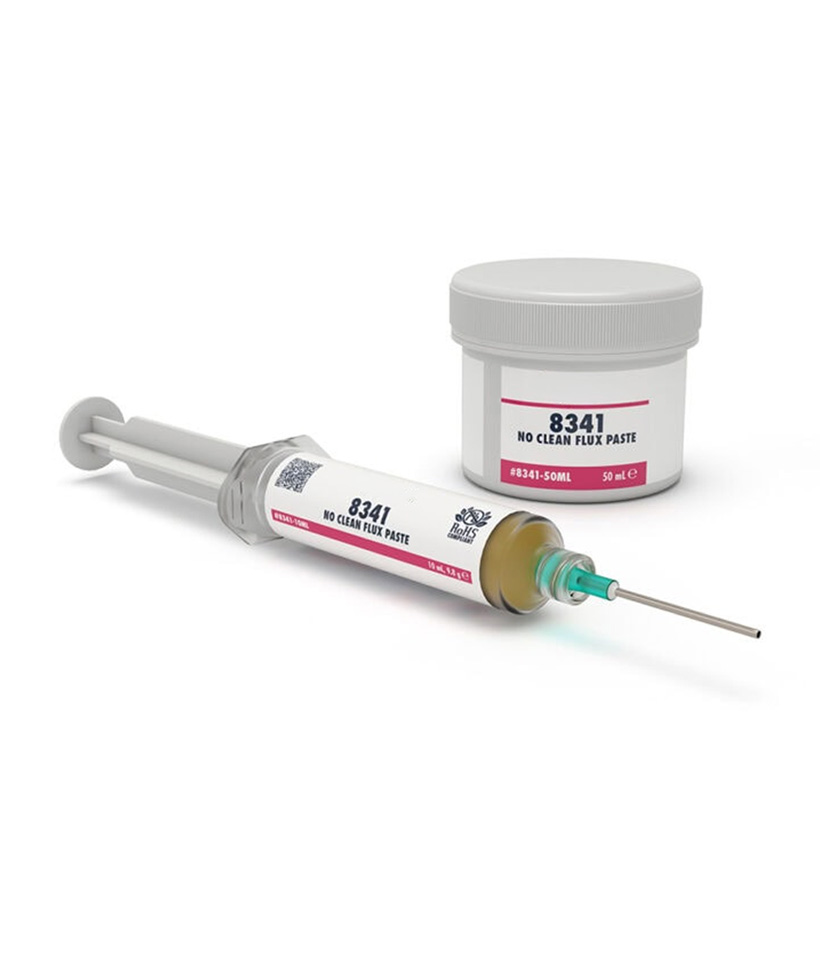
Most engineers think of flux in PCB assembly as part of solder paste in SMT assembly, but it’s used in many parts of electronics manufacturing.
Surface Mount Technology (SMT)
Flux suspended within solder paste provides oxidation removal and solder wetting during reflow.
Wave Soldering
Boards receive a controlled application of liquid flux before passing over the solder wave.
Selective Soldering
Automated systems precisely dispense flux in PCB assembly only where through-hole soldering is required.
Hand Soldering and Rework
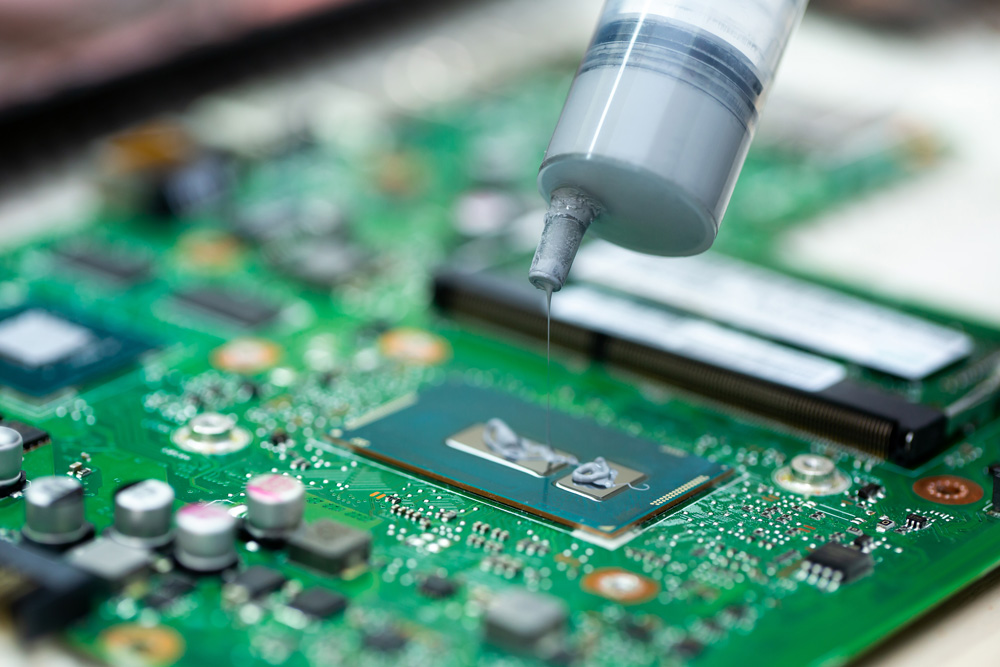
Technicians use flux pens, gels, and syringes to improve solder flow during repairs and engineering changes.
Choosing the right flux for rework keeps the board quality high and reduces extra residue.
Common Flux-Related Assembly Problems
Even the best manufacturing equipment can’t make up for poor flux management.
Some of the most common assembly issues include:
Poor Wetting
Insufficient flux activity prevents solder from bonding properly to pads or leads.
BGA Voiding
Improper flux activation can trap gases beneath BGA packages, creating voids that reduce thermal performance and mechanical strength.
White Residue
Improper reflow profiles often leave visible white residues that may indicate incomplete flux activation.
Conformal Coating Issues
Residual flux beneath conformal coatings can interfere with adhesion, leading to premature coating failure in harsh operating environments.
Sensor Contamination
Volatilized flux may deposit residue on cameras, optical sensors, MEMS devices, or precision electronics if paste volumes are not properly controlled.
Process Control Is Just as Important as Flux Selection
Picking the right flux is just one part of the process.
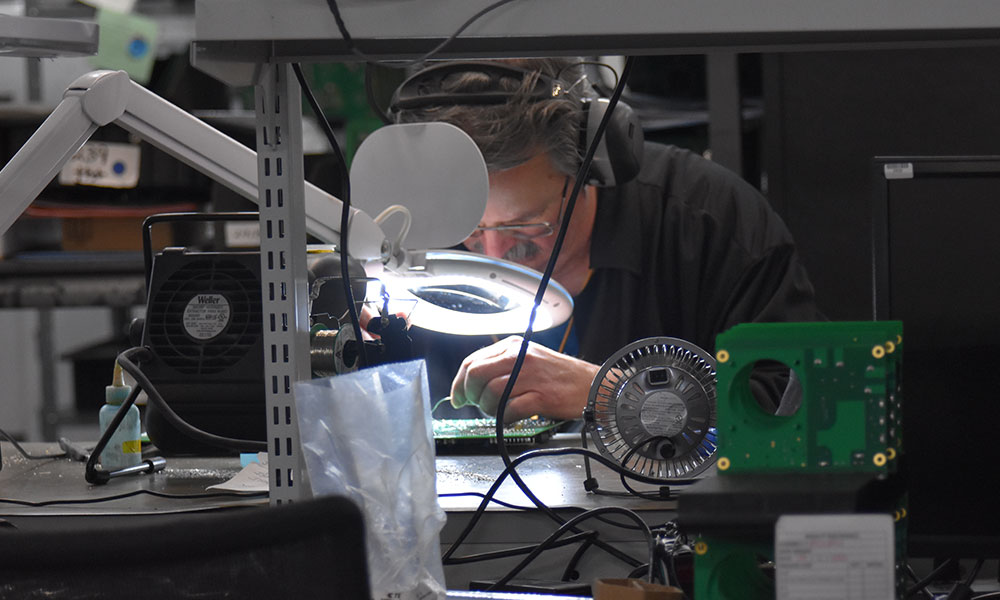
Reliable PCB assembly also needs careful process control.
At high-quality electronics manufacturers, good flux management includes:
- Refrigerated solder paste storage
- Proper paste conditioning before use
- Shelf-life monitoring
- Controlled stencil life
- Verified reflow profiles
- Consistent flux application during selective soldering
- Defined rework procedures
- Appropriate post-assembly cleaning when required
These steps help reduce variation, improve first-pass yields, and make products more reliable over time.
Why This Matters to OEMs
No matter if you’re making industrial controls, medical devices, transportation electronics, or commercial equipment, every solder joint could be a possible failure point.

Poor solder joints can lead to:
- Intermittent electrical failures
- Reduced product lifespan
- Warranty claims
- Costly field service
- Production delays
- Customer dissatisfaction
By paying attention to something as simple as flux in PCB assembly, you can stop these problems before products leave the factory.
Quality Starts with the Details
At Win2uit Electronics, we know that great PCB assembly takes more than just good equipment. It comes from careful processes, skilled technicians, and paying attention to every detail that affects quality.
You might not see flux in the finished product, but it’s behind every reliable solder joint.
When manufacturers focus on good materials, proven processes, and steady quality control, their electronics keep working well long after they leave the factory.
Sometimes the smallest details matter most.
Whether you need a prototype or a full production run, Win2uit Electronics offers precise PCB assembly, strong quality processes, and years of experience.
Get in touch to see how we can help make your next electronics project a success.